EY / Enis Yalcin

ROBOTICS AND AI ENGINEER

Robot learning,
from simulation
to hardware.

I’m Enis. I work on humanoid reinforcement learning and legged robot control, and I’m building my own quadruped platform.

UCL Robotics & AI · MSc with Distinction
Open to London and international opportunities · Open to relocation

01 / FEATURED RESEARCHSIMULATION
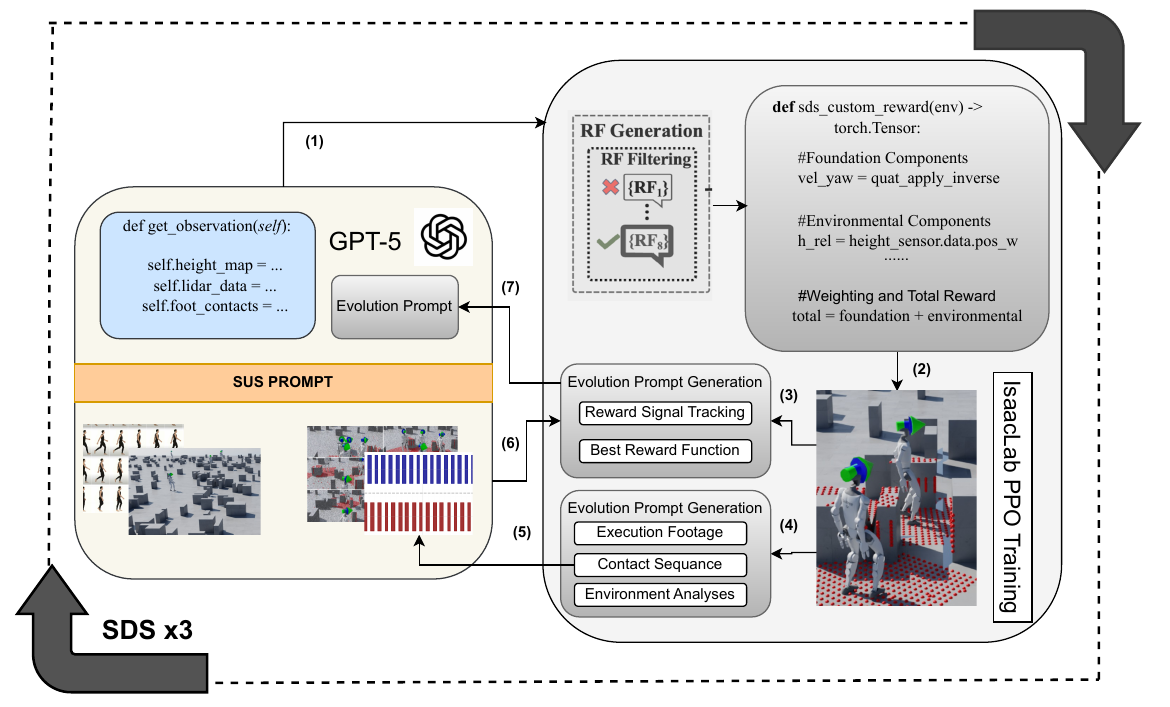
E-SDS pipeline linking video and terrain information to reward generation, PPO training and iterative refinement
E-SDSEnvironment-aware reward generation
for humanoid locomotion.

Figure 1, Yalcin et al., E-SDS (2025).

SELECTED WORK

Learning and control,
tested through projects.

01 / UCL MSC RESEARCH / 2025

E-SDS humanoid learning

Using video interpretation and terrain sensing to guide automated reward generation for humanoid locomotion.

Isaac LabPPOUnitree G1
82.6%lower velocity tracking error on simple terrain
versus a manually designed reward baseline

Reported simulation result; performance varies by terrain and metric.

Explore the research ↓

02 / INDEPENDENT / ONGOING

Building a quadruped end to end

Mechanical design, embedded electronics and model-based control for an independently developed legged-robot platform.

Legged roboticsModel-based controlCAD / embedded systems
12actuators in a CAD-derived floating-base model
developed for locomotion research

Tested in simulation with sensor noise; physical testing is next.

Explore the platform ↓

KING’S COLLEGE LONDON / MSC DISSERTATION

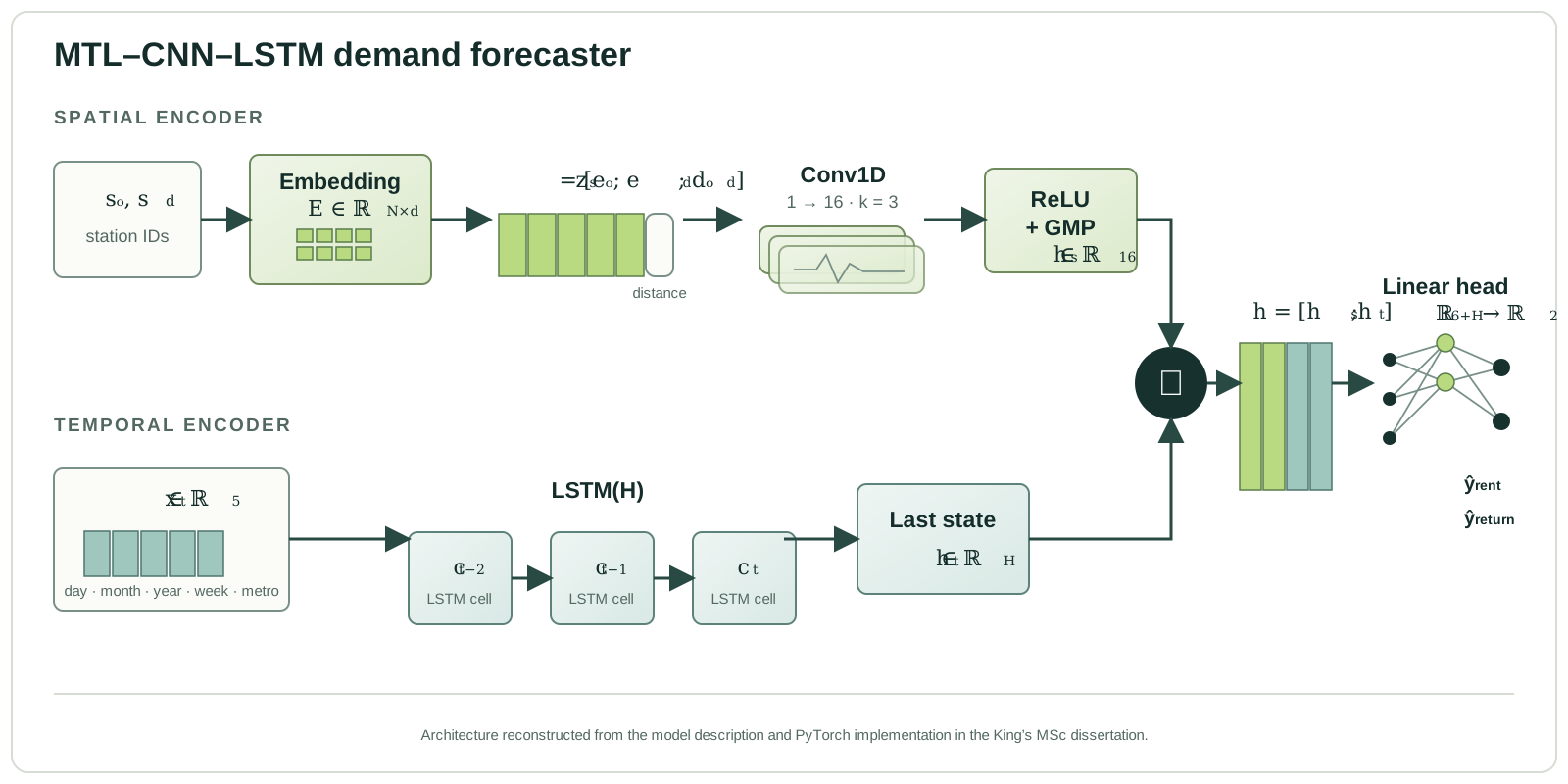
Technical architecture of the multi-task CNN-LSTM model used to forecast station rent and return demand
MTL–CNN–LSTM demand forecasting architecture

Forecasting and routing
for shared mobility.

I combined spatiotemporal demand forecasting with electric-vehicle routing for shared-mobility stations across London. The study compared demand coverage and routing outcomes across different station sets.

MTL–CNN–LSTMDemand forecastingVehicle routing
47.47%reported best-case improvement
in station demand coverage
31.08%reported conservative improvement after penalising overestimates and wrong rent/return predictions

01 / HUMANOID REINFORCEMENT LEARNING

Humanoid locomotion
with E-SDS.

UCL Robot Perception and Learning Lab
Supervisor: Prof Dimitrios Kanoulas

Read the paper ↗
PUBLICATION

E-SDS: Environment-aware See it, Do it, Sorted — Automated Environment-Aware Reinforcement Learning for Humanoid Locomotion.

Enis Yalcin, Joshua O’Hara, Maria Stamatopoulou, Chengxu Zhou and Dimitrios Kanoulas.

Accepted at RiTA 2025 · Springer LNNS, in press

UCL publication record ↗

The question

Can video-based task information and terrain measurements make automated reward generation more responsive to the environment a humanoid needs to cross?

My work

I developed E-SDS: a vision-language model interprets video and terrain information to generate executable reward functions. PPO training and execution feedback then inform reward refinement. I trained Unitree G1 policies in Isaac Lab and evaluated them on bumps, gaps, obstacles and stairs.

What the experiments showed

On simple terrain, the reported velocity tracking error fell from 2.225 to 0.387 compared with the manual-reward baseline. E-SDS also learned stair descent in simulation. These are simulation results; transfer to a physical humanoid remains a further validation step.

03 / ROBOT LEARNING

Vision-language-action for robot manipulation.

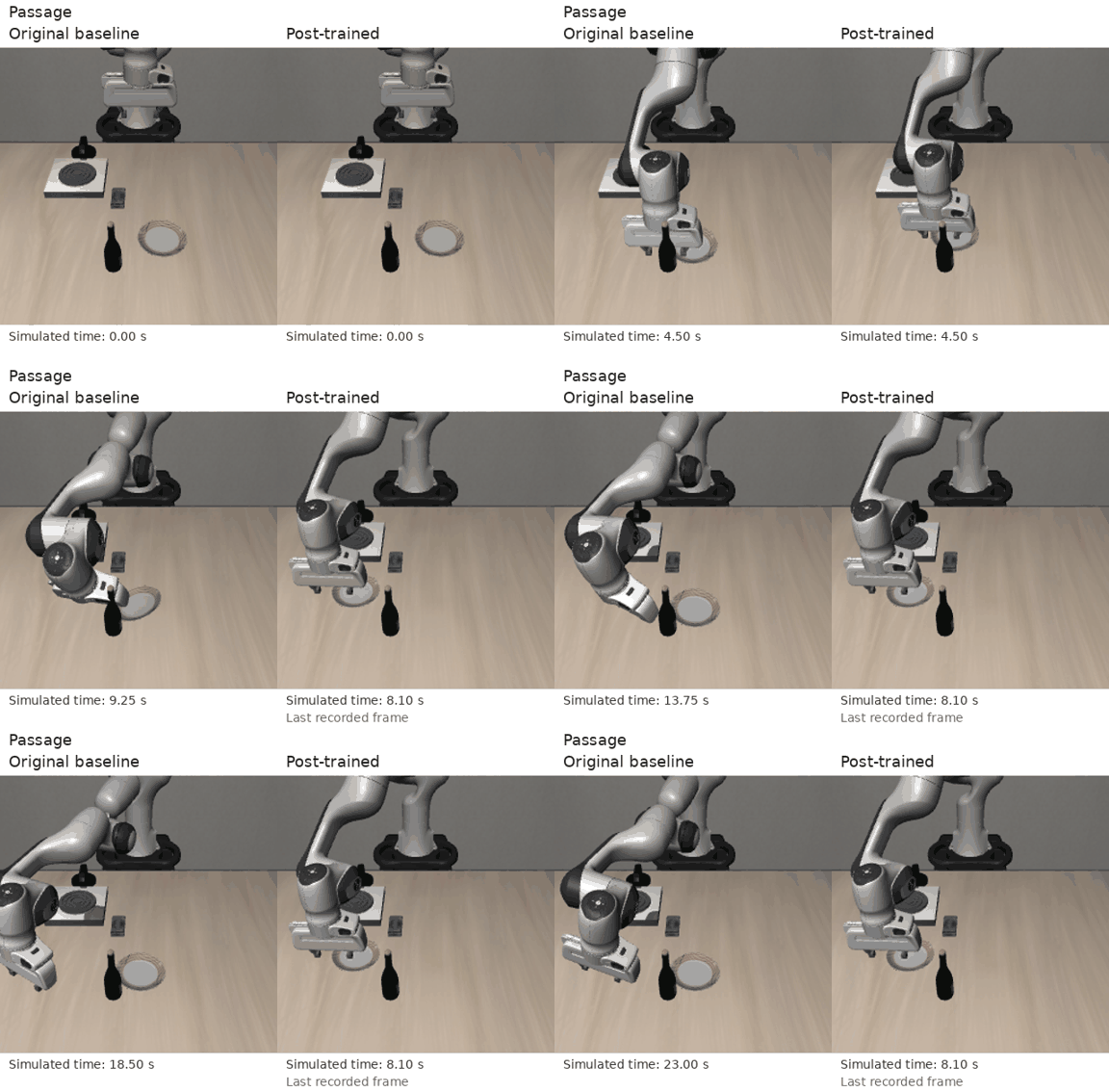
Original and post-trained SmolVLA policies side by side: the post-trained Panda policy pushes the plate through the passage to the target in simulation
Original → post-trained VLA · Passage simulation

I transferred paths from phone videos into Panda simulation demonstrations and post-trained SmolVLA using mixed data and replay. I tested ordinary pushes, passages and blocking obstacles, alongside a separate world-model action-ranking approach.

79.9% lower target-position error234.6 → 47.3 mm in the paired passage test.

Shown: one paired VLA-only test; world-model ranking was evaluated separately.

Code and full results ↗

02 / LEGGED ROBOT DEVELOPMENT

From a mechanical
model to motion.

Independent development
Mechanical design · Electronics · Control

PHYSICAL BUILD ONGOING
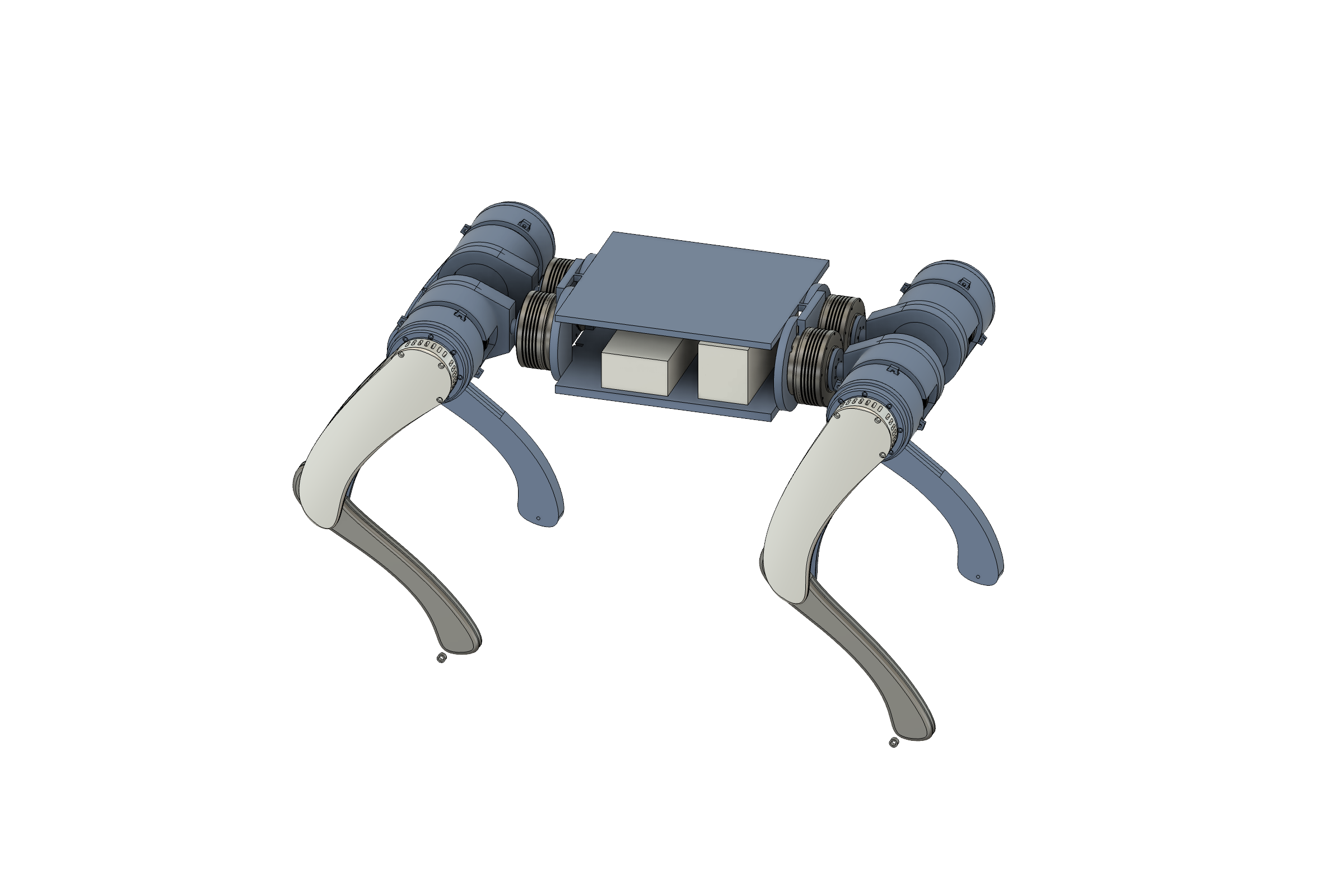
CAD assembly of the independently developed quadruped platform
Independent quadruped CAD assembly. Design and hardware integration are in progress.

Building the platform

I am developing the platform across mechanical design, embedded electronics, communication and control software. The current work focuses on simulation validation and hardware integration.

CONTROL AND ESTIMATION STACK

  1. ModelCAD-based robot model
  2. EstimateUKF state estimation · Sensor-noise tests
  3. PlanPerceptive NMPC planning interface
  4. ControlWeighted whole-body QP control
  5. EvaluateSimulation tests · Physical testing next

Control and validation

I have tested the simulated system with sensor noise. In earlier quadruped coursework, I also estimated foot-contact states from proprioceptive data and tested cosine, figure-eight and elliptical path tracking. These experiments made contact uncertainty and controller behaviour concrete before I began the independent platform.

The next step is to integrate the hardware, test the controller on the physical robot and then study how learned policies can improve locomotion without losing the structure of the model-based controller.
SELECTED ACADEMIC PROJECTS

A broader robotics and engineering foundation.

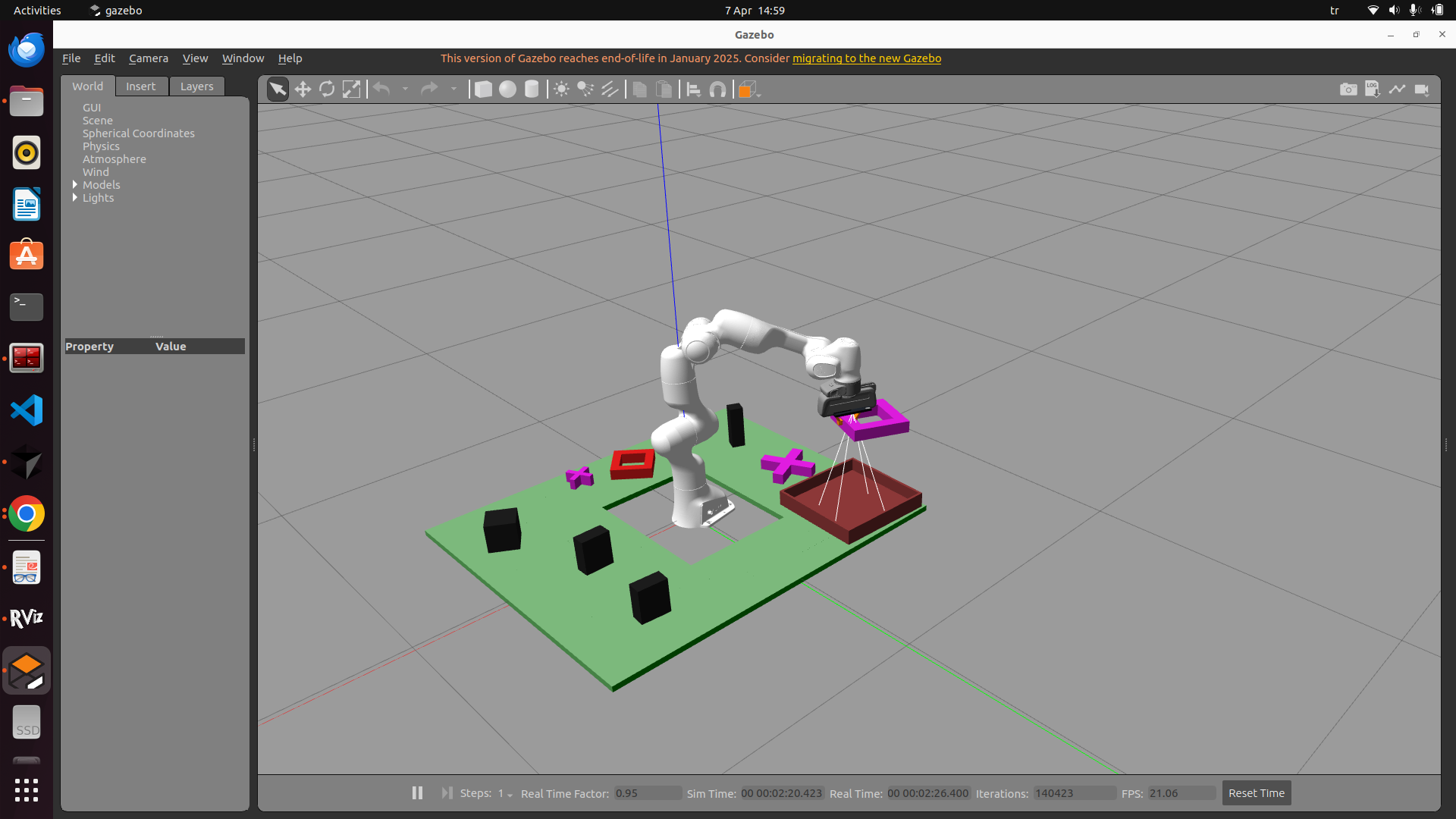
A simulated robot arm holding a purple object over a tray, surrounded by tabletop objects in Gazebo
Robot arm and tabletop manipulation environment in Gazebo

Robot sensing and manipulation

Sensing and manipulation in a Gazebo tabletop environment with a robot arm, parallel gripper and objects of different shapes.

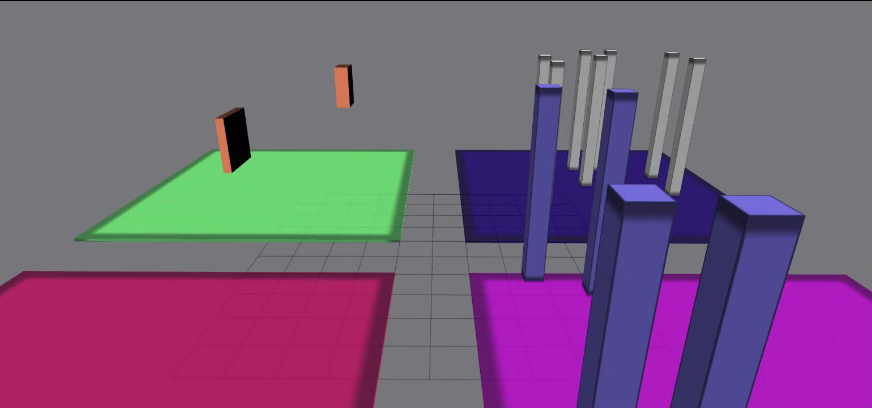
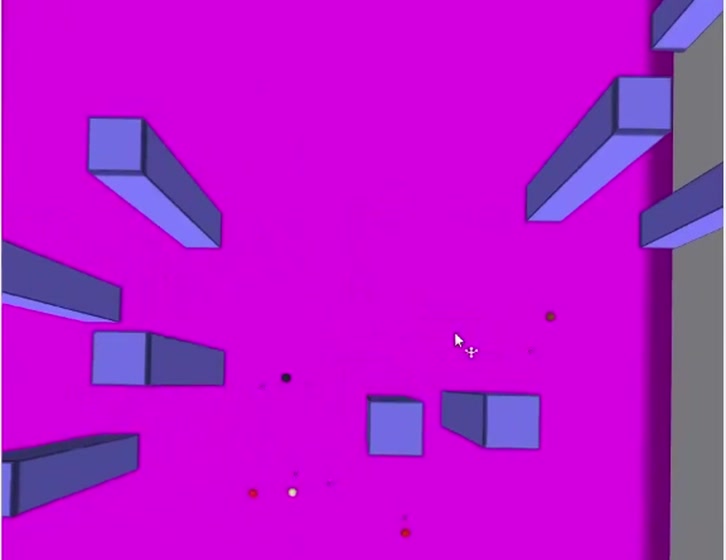
Simulation environments for formation changes, narrow passages, static columns and moving obstacles
Formation flight and obstacle-course environments

Multi-drone flight through obstacles

Compared leader–follower, multi-agent path finding and potential-field methods for a drone swarm. The simulation tasks included formation changes, narrow-window traversal, forest-like obstacles and moving obstacles.

View the swarm in simulationFive simulated drones splitting from a compact formation while navigating between obstacles

Formation split during moving-obstacle navigation

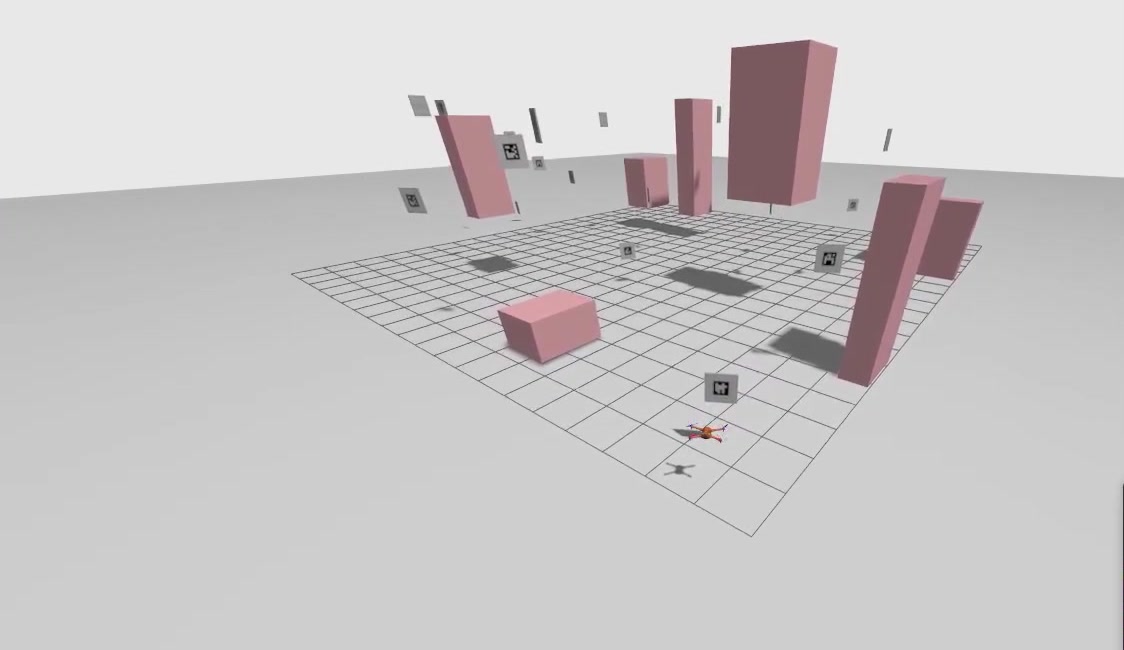
A drone in a wide Gazebo inspection scene with obstacles and ArUco targets
Gazebo inspection environment with ArUco targets

Autonomous drone inspection

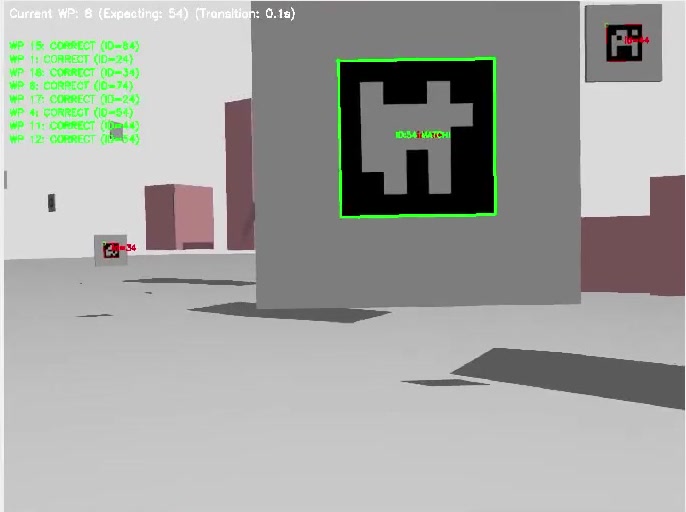
TSP waypoint sequencing, A* planning and ArUco-based arrival verification in ROS2. Evaluated inspection routes across four scenarios.

View the drone cameraDrone camera detecting and matching an ArUco inspection target

ArUco target verification from the drone camera

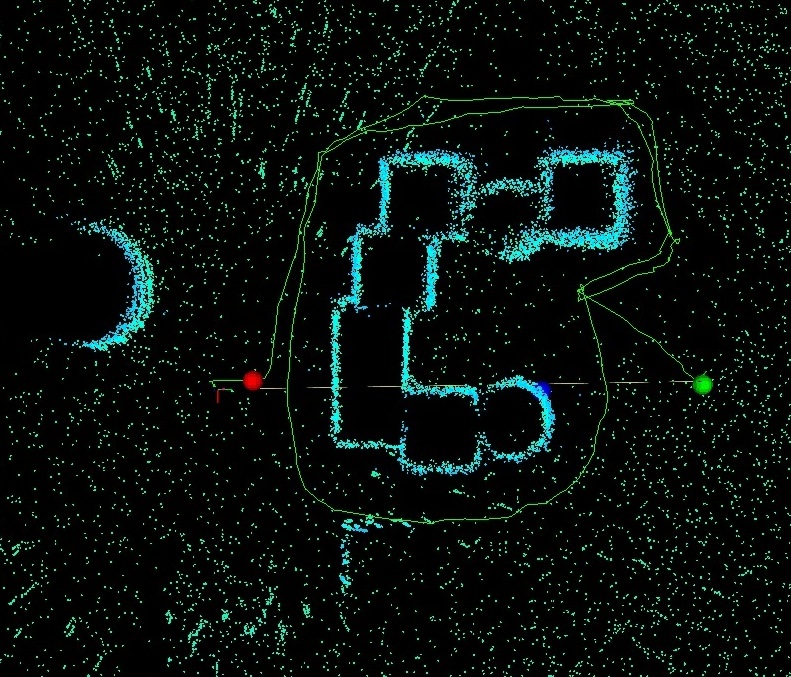
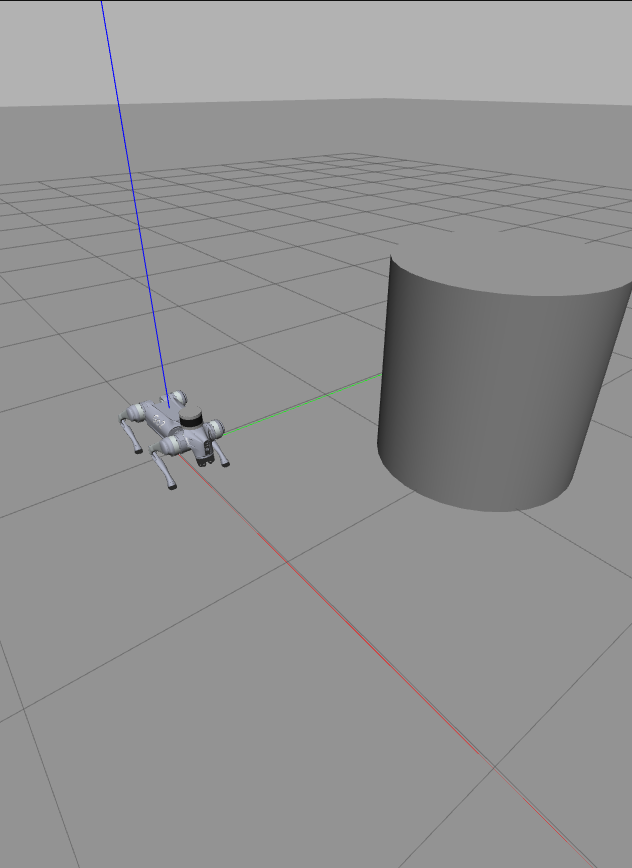
RViz view of a planned path around a concave obstacle with hit and leave markersUnitree Go2 beside an obstacle in Gazebo
Unitree Go2 navigation with LiDAR

Local planning for legged robots

LiDAR-based obstacle detection and ROS2 Bug0/Bug1 local planning, with boundary following, Chaikin smoothing and stuck recovery. Tested in Gazebo and RViz using point-cloud-derived obstacle boundaries.

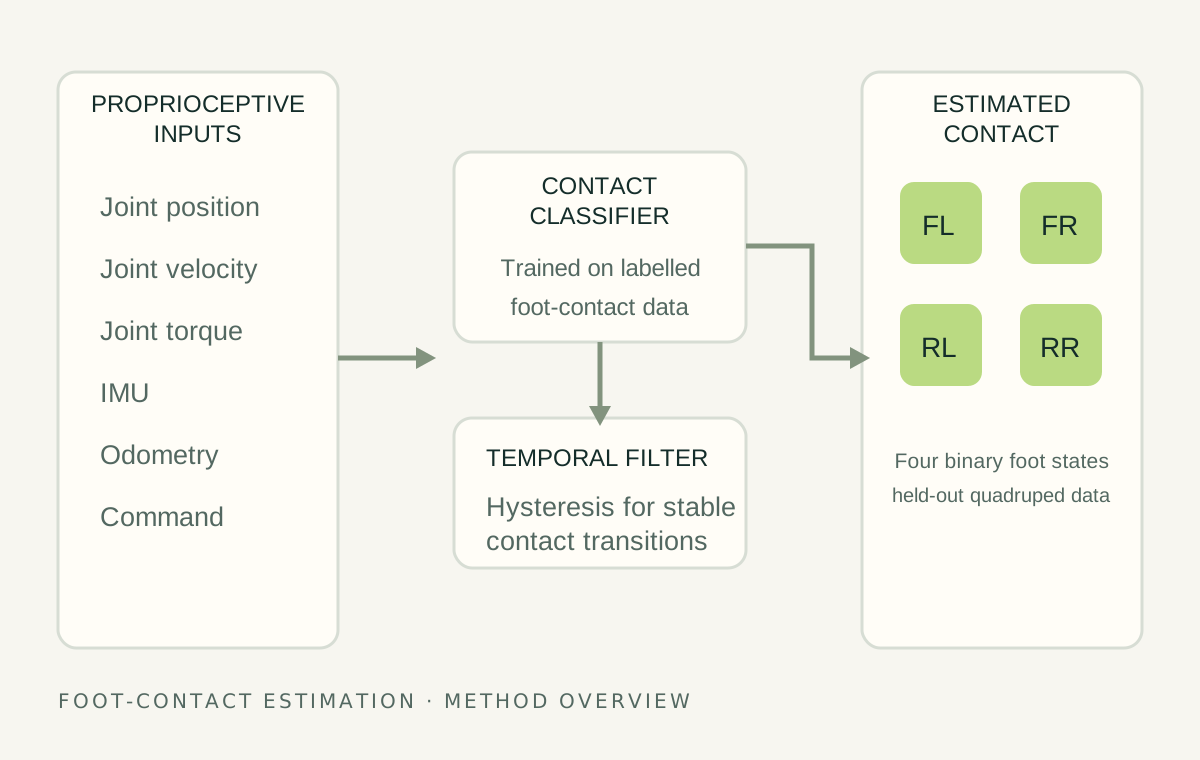
Method diagram for estimating the four quadruped foot-contact states from proprioceptive data
Foot-contact estimation method

Contact estimation and path tracking

Estimated four-foot contact states from proprioceptive signals, comparing a learned classifier with hysteresis on held-out quadruped data. A second controller tracked cosine, figure-eight and elliptical reference paths.

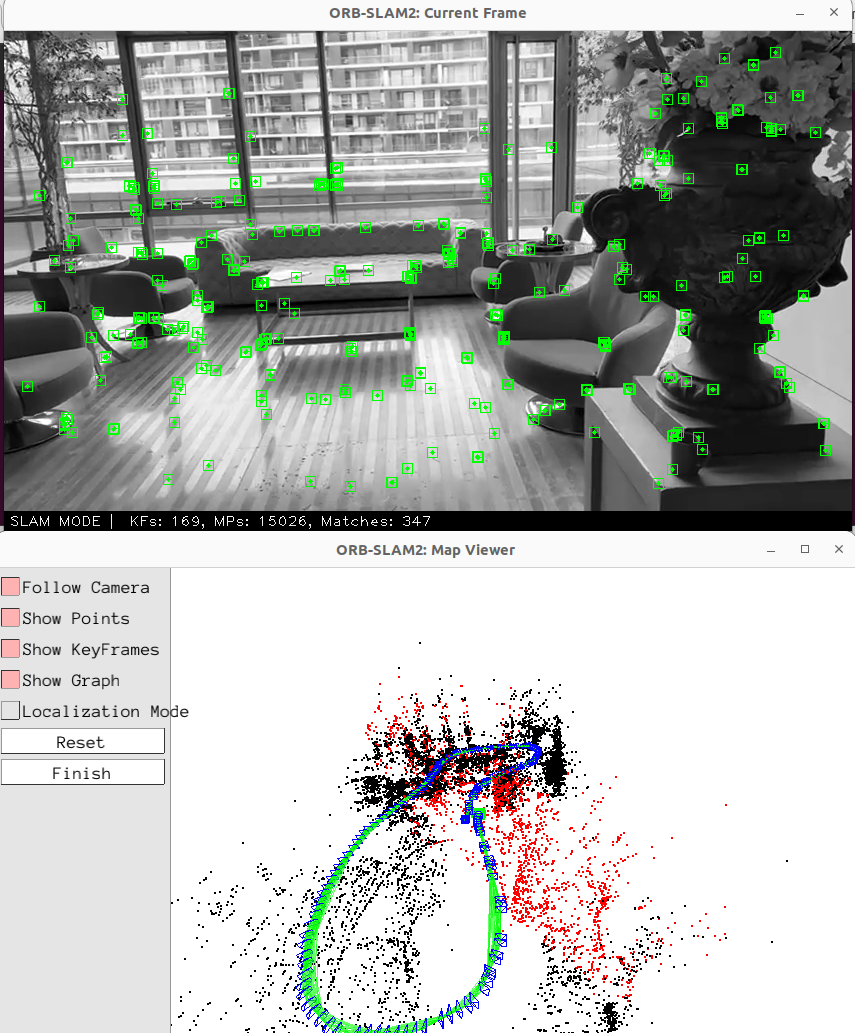
Indoor camera frame with tracked image features, and the corresponding ORB-SLAM2 map
Indoor feature tracking and mapping in ORB-SLAM2

Visual SLAM and scene reconstruction

Compared COLMAP reconstruction and ORB-SLAM2 on indoor and outdoor image sequences. Examined camera tracking, reconstructed maps and the effects of the scene on localisation.

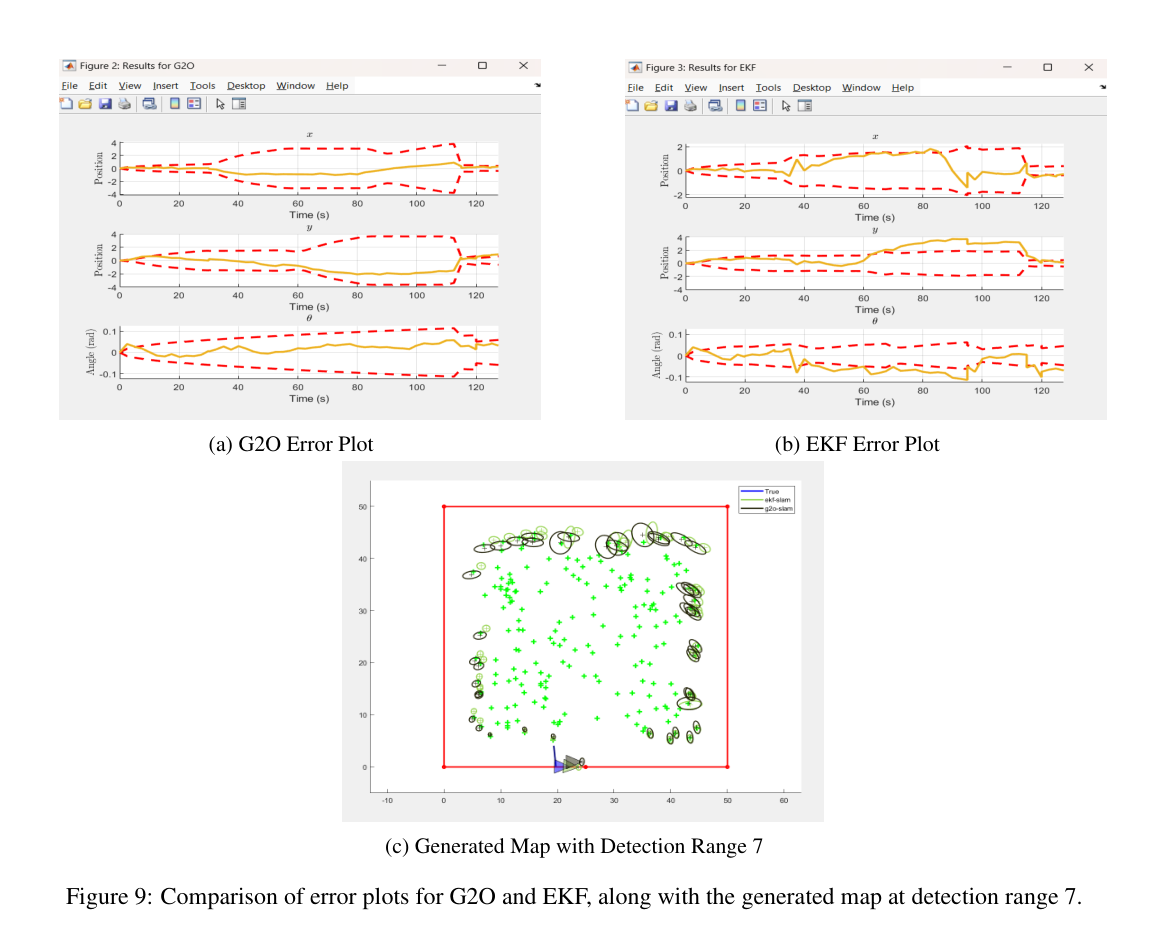
G2O and EKF error plots beside a landmark map with covariance ellipses
G2O and EKF-SLAM comparison with limited landmark range

EKF and factor-graph SLAM

Implemented 2D state-estimation models and compared EKF-SLAM with G2O factor-graph optimisation under noise, changing landmark range and loop closure. Examined drift, RMSE, covariance bounds and graph-pruning trade-offs.

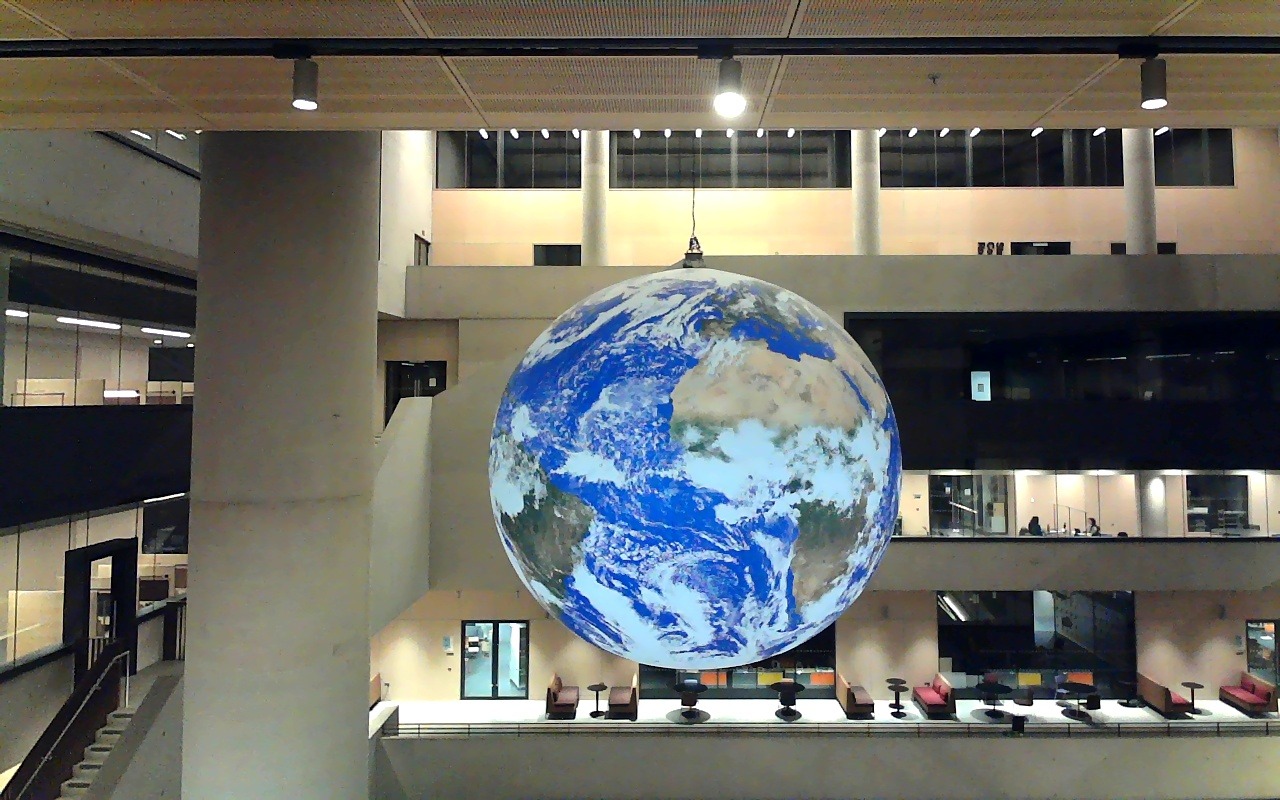
The suspended Earth installation inside the UCL building used as the moving visual target in the coursework image sequence
Earth target from the UCL coursework image sequence

Computer vision for a moving landing target

Built an OpenCV perception pipeline for a rotating target: segmentation and geometric estimation from camera data, then rotation-cycle estimation from video using SIFT feature matching and RANSAC to reject mismatched points.

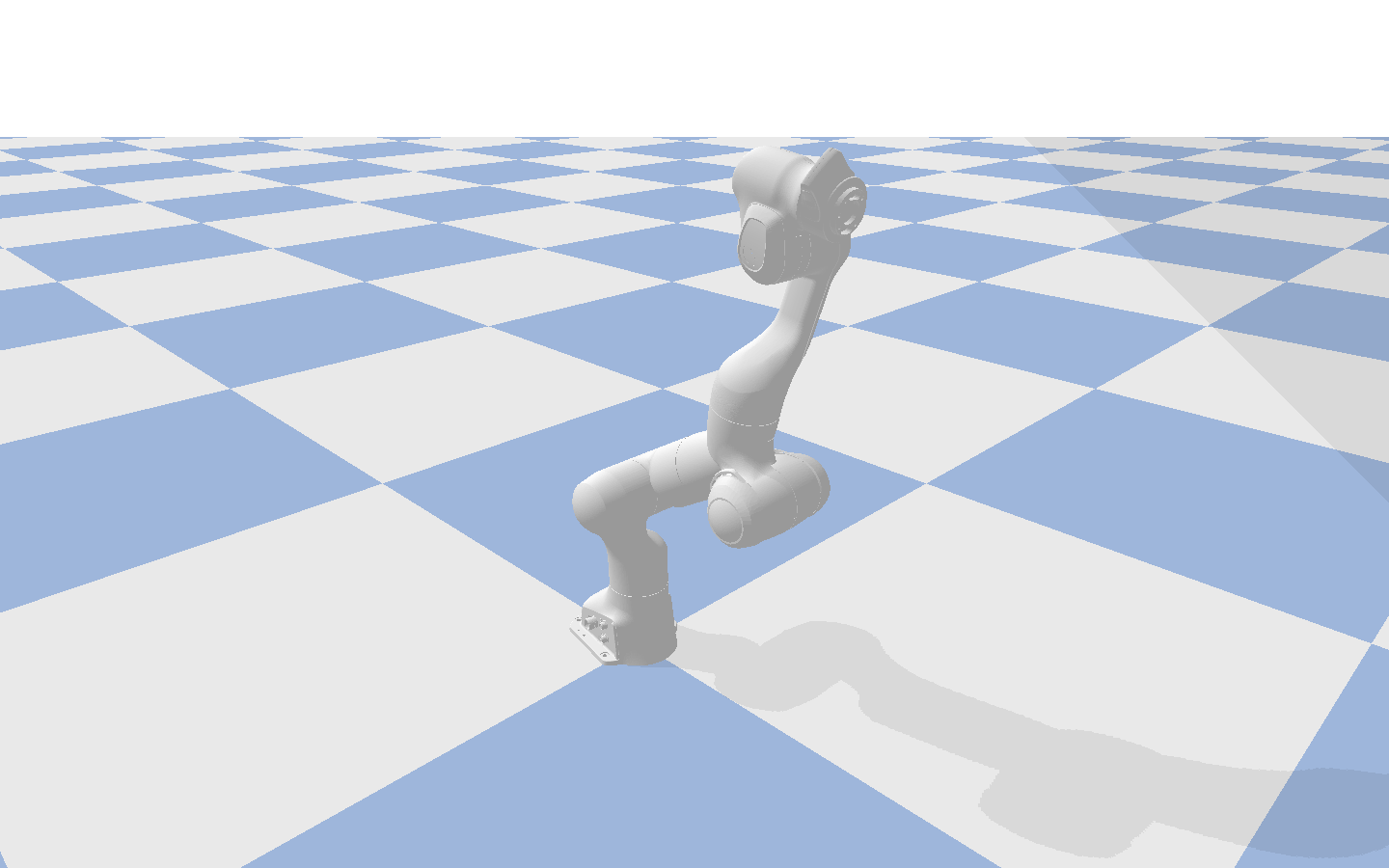
The seven-joint Panda arm loaded from the coursework model in PyBullet
Learning-based control of a simulated Panda arm

Learning to control a robot arm

Applied neural motor-model correction and compared MLP and random-forest trajectory prediction for a simulated 7-DoF Panda arm, including evaluation on unseen targets.

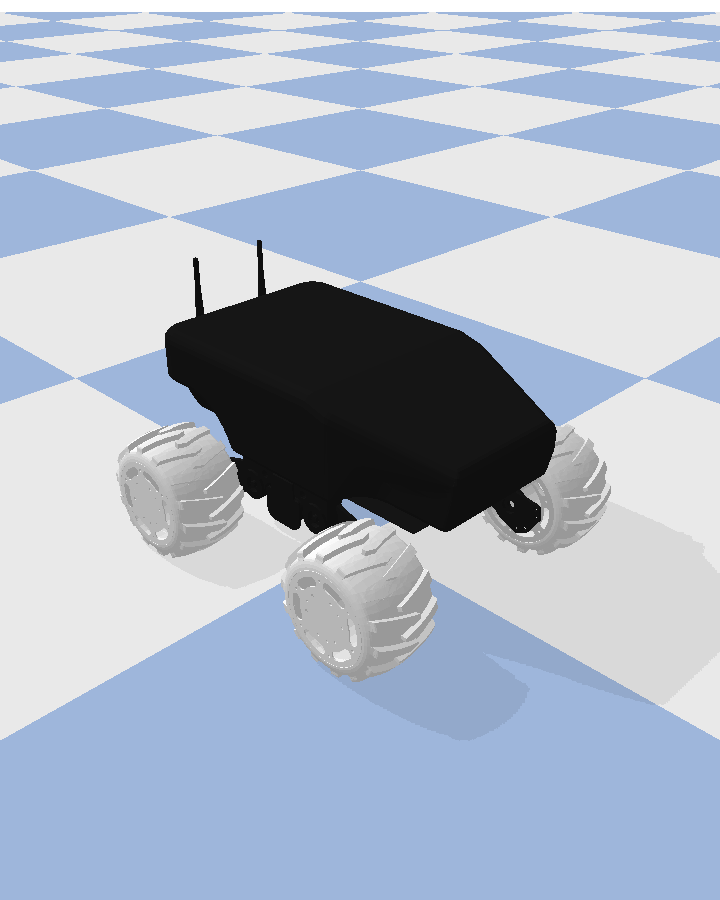
Robotnik Summit XL differential-drive base shown in PyBullet
Differential-drive MPC with EKF localisation

State estimation and predictive control

Combined MPC trajectory tracking with EKF localisation for a differential-drive robot. Evaluated landmark layouts, sensor noise, prediction horizons and controller weights.

ABOUT

Engineering brought me
to robot learning.

After studying Industrial Engineering at Sabancı and Engineering at King’s College London, I found my direction in robotics at UCL. My work now connects learned behaviour, model-based control and the practical work of building a robot.

I want to continue exploring robot learning across perception, manipulation and locomotion, including world-action models and how learned behaviour can be tested on physical robots.

University College London

MSc Robotics and Artificial Intelligence
Distinction

King’s College London

MSc Engineering with Management
Distinction

Sabancı University

BSc Industrial Engineering
Finance minor

RESEARCH AND ENGINEERING OPPORTUNITIES

Let’s talk robotics.

Interested in research engineer roles and PhD opportunities in robot learning, locomotion and control.